What vet nurses want from a veterinary PMS:
Insights from someone who’s been there
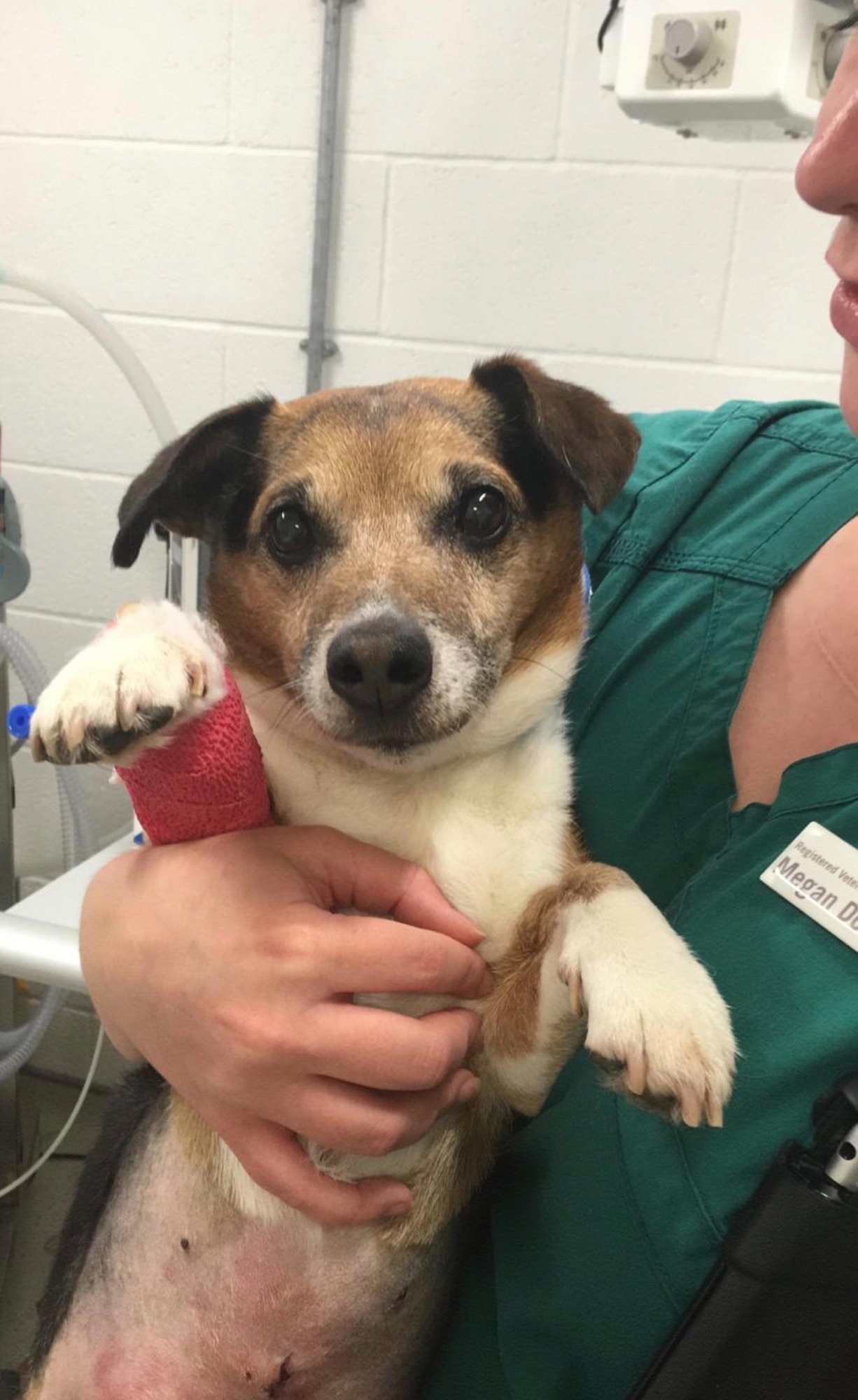
by Megan Dowding, Software & Customer Support Specialist at VetIT
Transformational technology
By Megan Dowding, Software & Customer Support Specialist at VetIT
In this article, Megan, a Registered Veterinary Nurse shares her perspective on what vet nurses really need from a veterinary PMS by drawing on real challenges from her years in first opinion and referral practice. From improving patient record keeping and using a PMS to support team wellbeing and clinical workflows, Megan explores how the right features can make everyday nursing tasks more efficient, reducing stress on not just nurses, but the whole veterinary team.
I’ve always loved animals. When I was a kid, my grandad got me a toy vet ambulance kit and from that day onwards, I had always said I wanted to be a vet. It wasn’t until I started doing some work experience with the nursing team at my local practice during school that I realised I just really loved the nursing and patient care side. I think vets do fantastic work, of course, but my interest really lay in getting to know owners and forming a bond with them and their pet. The deep level of care I saw the nurses at my placement putting into their roles helped me to see it was the job for me.
So, my journey into veterinary nursing started as soon as I left school. I joined a lovely veterinary practice, at first as a receptionist before working through my student nurse training and qualifying as an RVN in 2018. From there, I moved into internal medicine at a referral hospital, which is where I spent the rest of my time in practice.
When a veterinary PMS system doesn’t reflect the team using it, it can make tasks feel much more complicated than they need to be"
During my days in the referral practice, I got to spend vast amounts of time with more complex, long-term patients. This would quite often be animals who needed continuity, attention to detail and a lot of time to keep them happy and comfortable. I really liked those cases because I was getting very involved in the animal’s care, and that’s where I saw first-hand how much of a difference the small things make. One of my favourite elements of the job, both then, and in my role now, is interacting with people – so I really liked the husbandry element of the job and getting to know owners. It meant I could really feel like I was making a difference to their pet’s care.
Referral practice was also where I started to see how important it is that systems are set up to reflect the true day-to-day tasks and workflows of the practice. When a veterinary PMS system doesn’t reflect the team using it, it can make tasks feel much more complicated than they need to be.
I started to realise just how valuable it is to have tools that feel intuitive and aligned with the way the team naturally operates. That realisation was a big part of why I decided to move into a role where I could help others get more from their systems.
When I was working as a nurse, I needed access to our PMS constantly. We’d be doing things like ensuring continuity of care and follow ups, making sure handover information was up to date, recording observations and much more.
What stands out to me about VetIT PMS system is how flexible it is for nursing workflows. You can tailor your clinical notes, use custom fields, and colour code appointments, so that nursing tasks and observations are more refined.
The information vet nurses need is usually completely different to the details a vet needs, so it’s helpful to have that customisation option. All a practice needs to do is call up the VetIT support team and ask for additional fields to be added to the notes section of their software. Nurses can have their own section called ‘Nurse Notes’ if they would like, so you can put everything down and you’re not carrying as much in your head!
When patients are staying in for several days, which happens frequently in referral practice, you’re looking after that animal’s physical and emotional wellbeing as a nurse. With the VetIT PMS, those observations can be clearly recorded and accessed by anyone picking up the case, whether it’s a night nurse or the original nurse coming back on a different day.
Being able to see exactly what’s already been done with a patient and what’s still outstanding is a game changer. That reduced mental load avoids repeated questions or missed steps and helps the whole team stay on the same page and keep up to date with a patient’s progress.
Being able to see exactly what’s already been done with a patient and what’s still outstanding is a game changer.
This is all the kind of functionality that helps nurses spend more time doing what we’re best at and spending our time with the patients. I love animals, and I have a cat myself, so I really enjoyed the element of the job that involved caring for and rehabilitating patients. Having a veterinary PMS that supports your day, instead of adding to it, genuinely changes the way you feel at the end of a shift. In a profession that already runs at full speed, that kind of clarity and organisation makes a real impact in how time in the day can be allocated.
I think that one of the biggest concerns in the veterinary profession as a whole now is wellbeing. As nurses, we’re often juggling multiple priorities between patient care, updating notes, liaising with vets and more. A lot of these tasks can involve online communication in group chats and texts on our phones, which can make it more difficult to switch off from the job when work is always right there with you.
Something I really like about VetIT PMS is how it helps set clearer boundaries. When I was in practice previously, we used to rely very heavily on WhatsApp to communicate, whereas the VetIT system lets you assign and track tasks internally, so you’re not relying on any after-hours messages or clarifications to keep things moving. You don’t have to rely on people remembering things or seeing a message because you can assign things to them directly in the system, so it’s great from a task management perspective.
That separation between work and home life really matters, and I think it makes a big difference to long-term wellbeing. This eases the pressure on vet nurses, who would otherwise spend time chasing responses across multiple channels, which can be exhausting and inefficient. Having everything organised within one practice management system streamlines the process and helps keep communication professional, timely, and less mentally draining.
Having everything organised within one practice management system streamlines the process and helps keep communication professional, timely, and less mentally draining"
Another VetIT feature I’ve found really helpful is the ability to send texts to clients directly from the PMS. It means communication can be tailored to fit around their lifestyle, whether they’re working shifts, in meetings, or simply prefer texts over calls. It’s a small feature, but it makes a big difference in terms of client satisfaction. A feature like this, encourages client compliance. If you can make their day any easier when their pet is in your care, they will feel supported and understood.
People can also quite easily miss messages, or written notes go missing and it’s a massive job trying to find everything. Having one tidy, central system makes a lot of difference and saves nurses time trying to hunt things down. I think sometimes people are just so used to a certain way of working that they assume it’s the only way, but if you can set aside a bit of time to explore what the system can do, you realise it can save so much hassle.
I think a lot of people were quite scared of AI at first and I include myself in that. It’s a big change and I think there’s always a bit of an underlying question about whether it has the potential to take away from the level of care we offer or affect the human side of what we do.
I think the more it’s been developing, the more we’re starting to see that AI won’t be replacing human interactions. It could instead be quite a useful tool for nurses if it can be used to process data, generate reports or even provide functionalities such as a dictaphone.
Imagine being able to just talk your notes or record a conversation and allow AI to write it up for you. This could free up so much vet nurse time, especially in their wellbeing consults, allowing you to be around animals and owners, building on that bond as much as possible. This is something we’re focusing on at VetIT and I’m excited to see how it develops.
VetIT has always been forward thinking, with a passion for using the latest veterinary technology to support a modern, dynamic veterinary practice. Our team includes former vets, vet nurses and practice managers, so we understand the pressures, priorities and the workarounds you wish you didn’t need.
We’ve been there, so our goal is to make daily life in practice easier by developing software designed by the vet team, for the vet team.
If you’d like to talk to one of VetIT's Technology Consultants about how our tech can help your practice - Click here